BreakState

About

Aaron Hudson. Why BreakState exists.

I've spent twenty-five years running plans against reality — in the army, on billion-dollar programs, on the water, and on remote back-country routes. BreakState is what happens when someone who has broken plans for a living decides to write down the method.

Why BreakState exists

A checklist doesn’t save you. Someone arguing your plan does.

Every good expedition I’ve run had one thing in common: someone competent disagreed with part of the plan before we left. Every bad one had the opposite — a checklist, ticked, no argument.

BreakState exists to make that argument available to anyone planning a real trip. Expedition OS is the free tool that runs your plan through the same nine-module structure I use on my own. Expedition Design Review is the paid service where I pressure-test it myself and hand you a written verdict.

The trips this method is written from are documented below. Six lessons, each one produced a module. Skip to the lessons →

Career, briefly

Twenty-five years of running plans against real conditions.

1998–2010

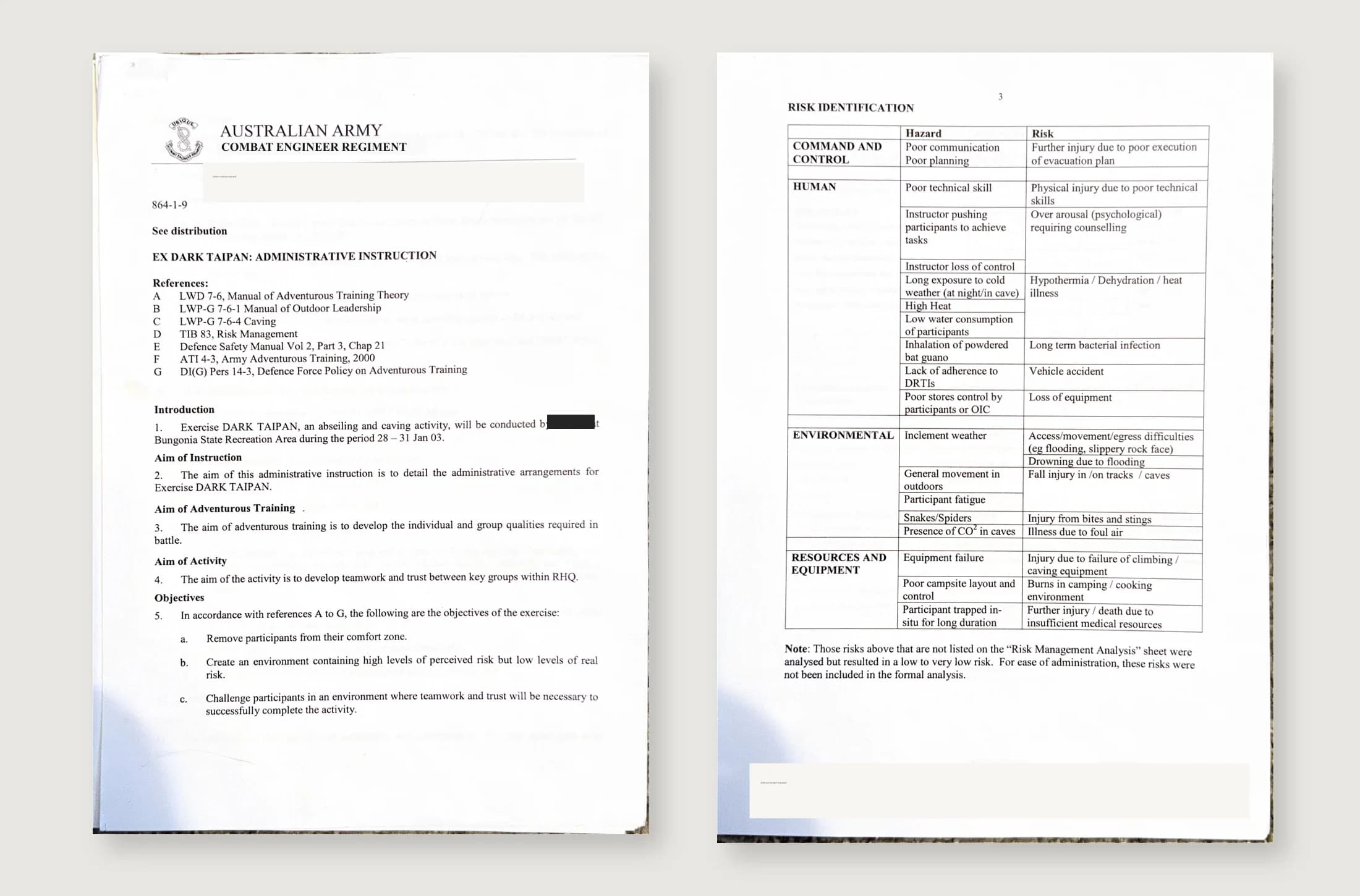
Australian Defence Force · Royal Military College Duntroon

Officer training. Field engineering. Complex operations under pressure.

2010–present

Global infrastructure programs

Program Director on multi-billion-dollar civil infrastructure builds. Currently: Waste-to-Energy program, Anchorage.

2015–present

Sailing · Motorcycling · Adventure travel

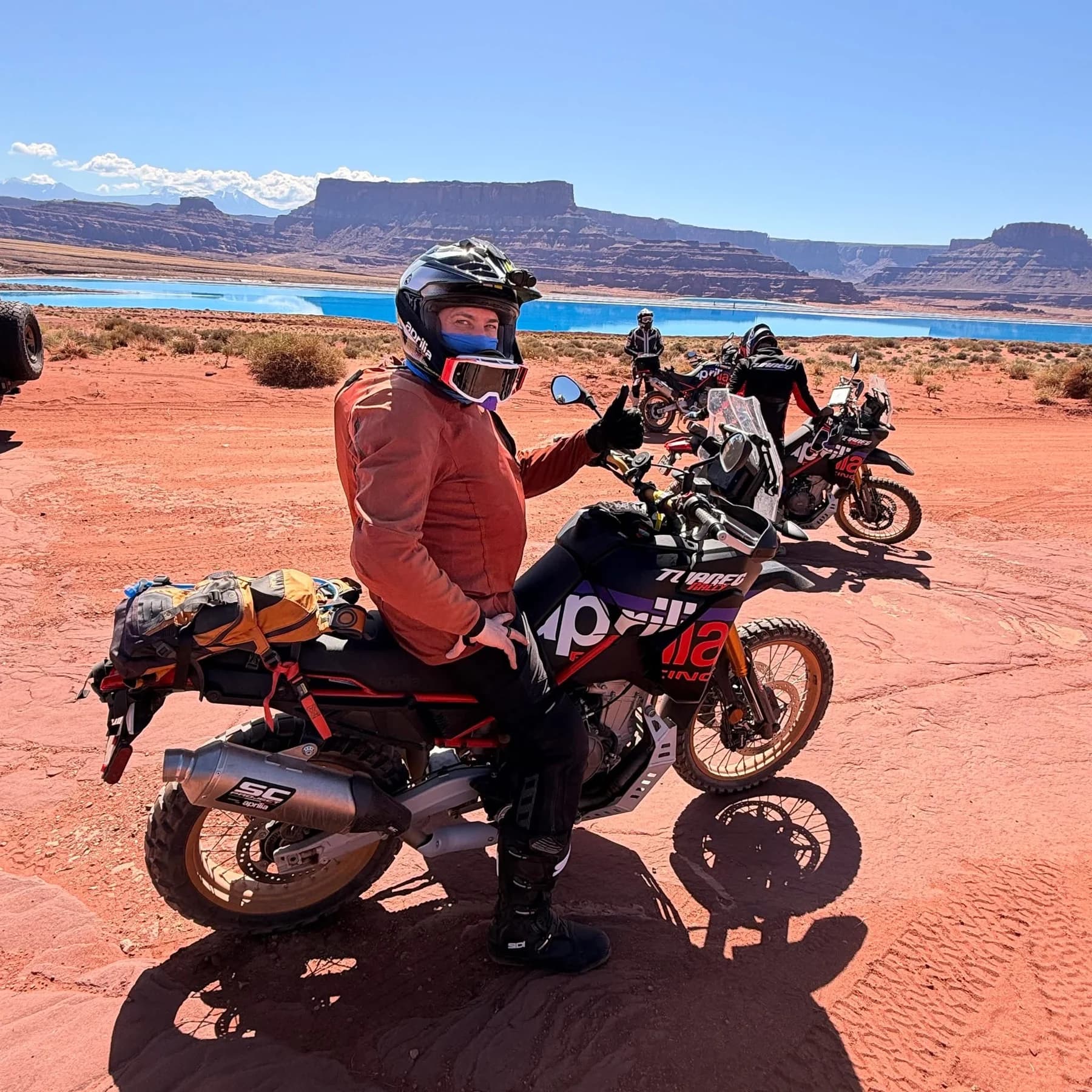
Bluewater sailing. Long-distance moto expeditions across Australia, USA, Canada, Iceland. Six-to-fifteen day stretches, remote-first.

2026

BreakState

Founded to publish the planning method that keeps returning me — and the people I ride with — home.

Why trust me

I’ve made the mistakes. And paid for them.

I’m not a marketing consultant with a checklist template. I’m a program director who runs billion-dollar civil builds for a living and a motorcyclist who’s crashed 700 km from a hospital.

The method BreakState publishes is the method I use to plan my own trips. It has kept me — and the people I ride with — alive on routes it shouldn’t have.

I don’t sell adventure. I sell the argument you should have had in the driveway.

Six lessons · Nine modules

Every module started as a mistake I made in the field.

Six stories, and across them we cover every module in the OS. Skip to any chapter — the sixth is the one that made the company.

01

Chapter 01

Where it lives now · M1 MEDICAL · W1 WATER · D1 NAVIGATION

An easy afternoon hike in Wilpena Pound turned into a 6-hour round trip with no water, half the group heading for severe dehydration, and every one of us sick for days after we drank from the river because nobody was carrying a LifeStraw.

The trip we planned was two hours. The trip we walked was six. Nobody carried the reserve because nobody thought they'd need it. When the group hit the river on the way back, thirst overrode judgement. Everyone drank. Everyone paid.

W1 Water isn't about how much you carry. It's about the ratio between what you carry and what the trip could plausibly become. A 2-hour hike that turns into 6 hours isn't a freak event — it's a weekend. Reserve capacity is what stops thirst from making the decision for you.

The LifeStraw is the M1-adjacent item that costs less than a meal and prevents a week of illness. Nobody argues about it in the driveway. Everyone regrets it on the trail. And this only became a survival problem because we misread the route — D1 Navigation is the module that stops a two-hour walk becoming a six-hour ordeal.

Thirst is a worse decision-maker than fear.
02

Chapter 02

Where it lives now · D1 DOCUMENTS · E1 ELECTRONICS

I landed in Hong Kong on the way to Vietnam and found out at the airport that I needed a visa letter from a sponsor inside Vietnam. Hours before the flight that would have left me stranded, I found a local SIM, got signal, and hunted down someone in-country who could issue the letter in time.

Preparation isn't just what you pack. It's what you check before you're in transit. Visa rules change quietly. Countries add sponsor-letter requirements between the day you book and the day you fly. Nobody tells you.

D1 Documents forces the question: for this passport, on this route, on this date, what paperwork do you need on your phone and on paper before you leave the ground? E1 Electronics is what makes sure you have a working SIM, a working charger, and a working plan for signal in a country you've never landed in. Both are cheap. Both save the trip.

03

Chapter 03

Where it lives now · P1 PERSONAL · D1 NAVIGATION · C1 CAMP

I hiked six days and six nights with barely any sleep, feeling every gram of my pack. I snapped my toothbrush in half and ditched the spare plate, bowl and cutlery so I ate everything out of one pot — that's when I understood weight budgeting.

In the army I carried what I was told to carry. On this hike I chose. That's the difference. When you have a choice over what you bring, every gram becomes a decision you'll pay for at 3 am on day six with a shoulder that's done.

P1 Personal is where the discretionary weight lives — clothing, hygiene, comfort. C1 Camp is where the temptation to bring the extra plate hides. One pot, one spoon, one lid. That's the answer. D1 Navigation is what stops the trip becoming longer than the food and the pack can carry.

The per-module weight input and green/amber/red verdict engine in Expedition OS exists so you have this argument with yourself in the driveway, not on the trail with a hacksaw.

When you have a choice about the weight, every gram is a decision.
04

Chapter 04

Where it lives now · T1 TOOLS · D1 NAVIGATION

I repaired a clutch on a beach next to a crocodile-infested river at the tip of Cape York, on a route where a wrong turn meant a two-day drive back to signal.

You either have the tool and the skill, or you don't. There is no middle option when the nearest workshop is a two-day drive south. That's the moment I stopped travelling with a generic tool roll and started travelling with a vehicle-specific one.

T1 Tools & Repair forces the question: for this vehicle, on this route, what breaks first and can you fix it? D1 Navigation is what stops you making the fix and then driving the wrong way.

A tool you don't know how to use is heavier than the one you left at home.
05

Chapter 05

Where it lives now · M1 MEDICAL · T1 TOOLS · E1 ELECTRONICS

I was first on scene in Seward, Alaska — a driver in a freezing ditch, out of cell range. Medical and tools aren't separate modules in the field. They're the same module in different clothes.

Medical and tools aren't separate modules in the field. They're the same module in different clothes. Pliers cut seatbelts. A shirt makes a pressure bandage. The kit you brought for your own vehicle becomes the kit you use on someone else's worst day.

Out of cell range means E1 Electronics stops being about charging your phone and starts being about whether anyone knows you're there. Any one of these modules decorative, and the whole system fails on the day it matters.

06

Chapter 06

Where it lives now · ALL NINE MODULES — T1 · M1 · W1 · C1 · F1 · E1 · D1 · P1 · S1

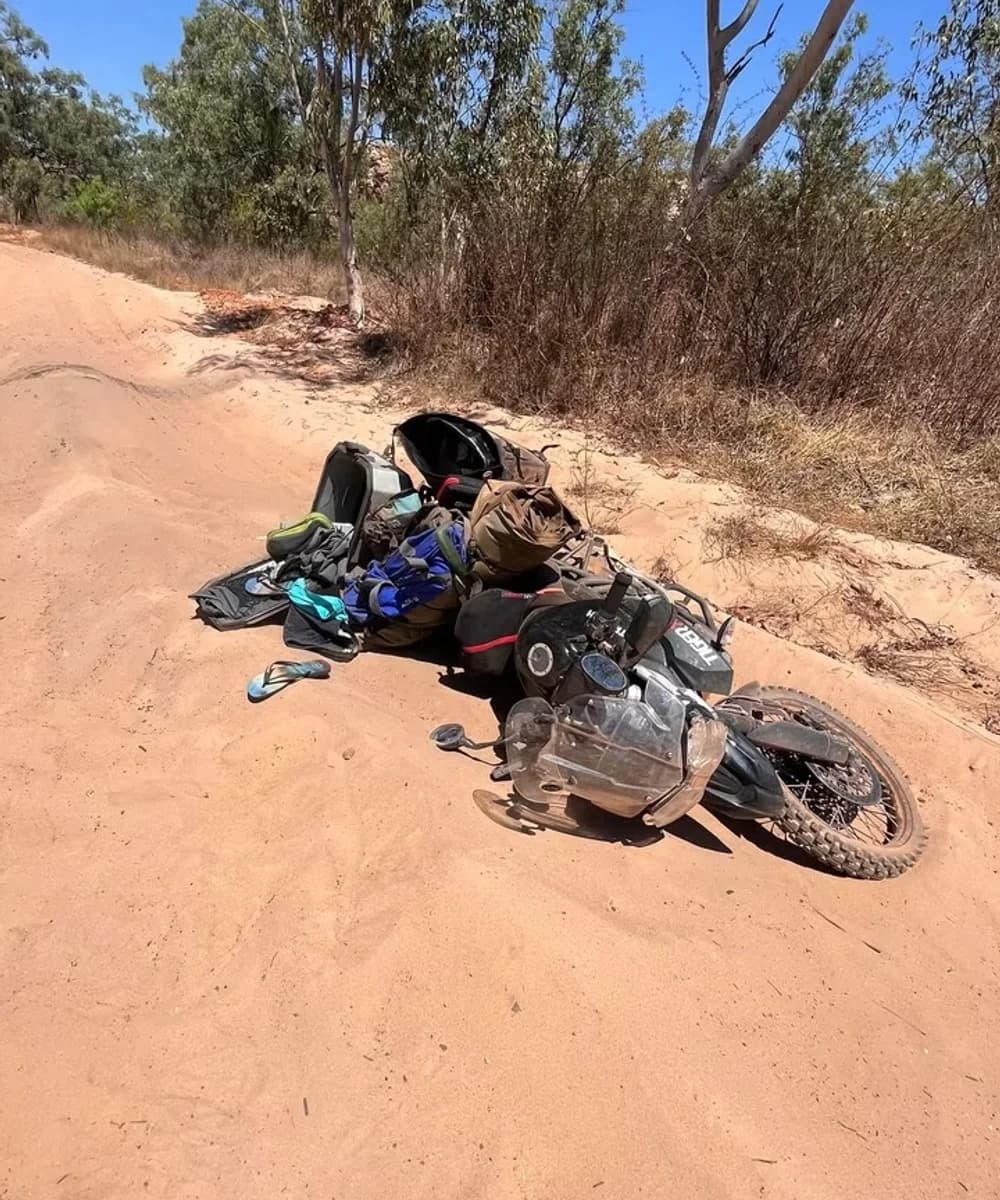
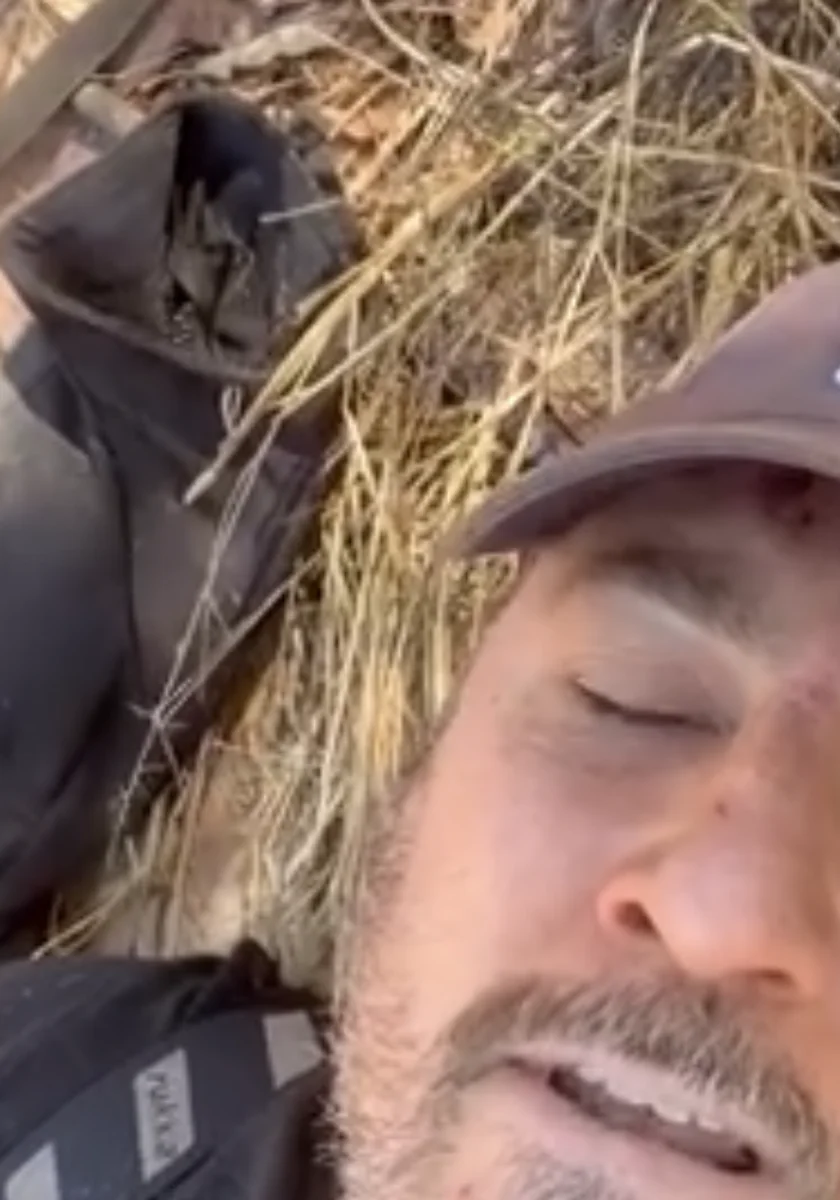
I came off my bike 700 km from the nearest hospital. They drove me 200 km over rocky terrain with a shoulder broken in eight places — snapped through and dislocated — because I got the weight distribution wrong and didn't check the sag on my bike.

This is the one that made the company. The biggest failure of my life. I was competent. The bike was competent. The route was known. What broke me was weight distribution and suspension sag — both fixable, both known, both ignored because the trip was already underway.

The reason this lesson earned every module in the OS isn't that all nine failed. It's that all nine were relevant on the same day. P1 was the load on the bike. M1 was the shoulder. C1 was the ground I slept on and the stove I cooked on before extraction. W1 and F1 were what kept me alive on the ground. S1 was the margin between inconvenience and emergency — and how thin it got. E1 was what got the plane called. D1 was the route notes that told them where I was. T1 was what should have been used on the bike the day before it happened.

Load Structure is the module that says: before you leave the driveway, does the sag match the load, does the load match the terrain, and does the terrain match the plan? The green/amber/red verdict on the bike setup exists because I got amber and rode it anyway.

Every lesson on this company came from ignoring an amber and calling it a green.
07

Chapter 07

Where it lives now · THE WHOLE COMPANY

I did all this because I was prepared. And every time I wasn't, that's how I learned what preparation actually means.

BreakState isn't sold by someone who never made mistakes. It's sold by someone who catalogued them. Every module in Expedition OS is a lesson with a name on it. Every question in the Expedition Design Review is one I wish someone had asked me before I left.

That's the offer. Not perfection. Not certainty. Just a written verdict from someone who has already made most of the mistakes you're currently underestimating.

Preparation is what you do after the trip that taught you the word.

Ready to have the argument

Book an Expedition Design Review. I’ll pressure-test your plan.

Founding rate is $150 USD for the first ten clients. Long-term price is $295 USD.